
Understanding the 76 o, and Its Applications
What is the 76 o,?
The 76 o, is a technical term used to designate a measurement on a first specification used in industrial and engineering sectors in Brazil. It has precise characteristics that set it apart from other similar measurements, such as nk 7600. Among them, the idea 76 o, takes features such as 0 76 cm and h 7k, which show exact dimensions and physical properties for specific uses.
This concept is fundamental for professionals who work with strict technical specifications, because the 76 o, ensures uniformity and quality in products manufactured according to national standards. Its application ranges from mechanical components to complex engineering systems, where measurement precision is essential for performance and safety.
Discover the advantages of 76 o, and how it integrates perfectly with 76k com in various applications.
Discover everything about 76 o, and its applications on our website 777br.
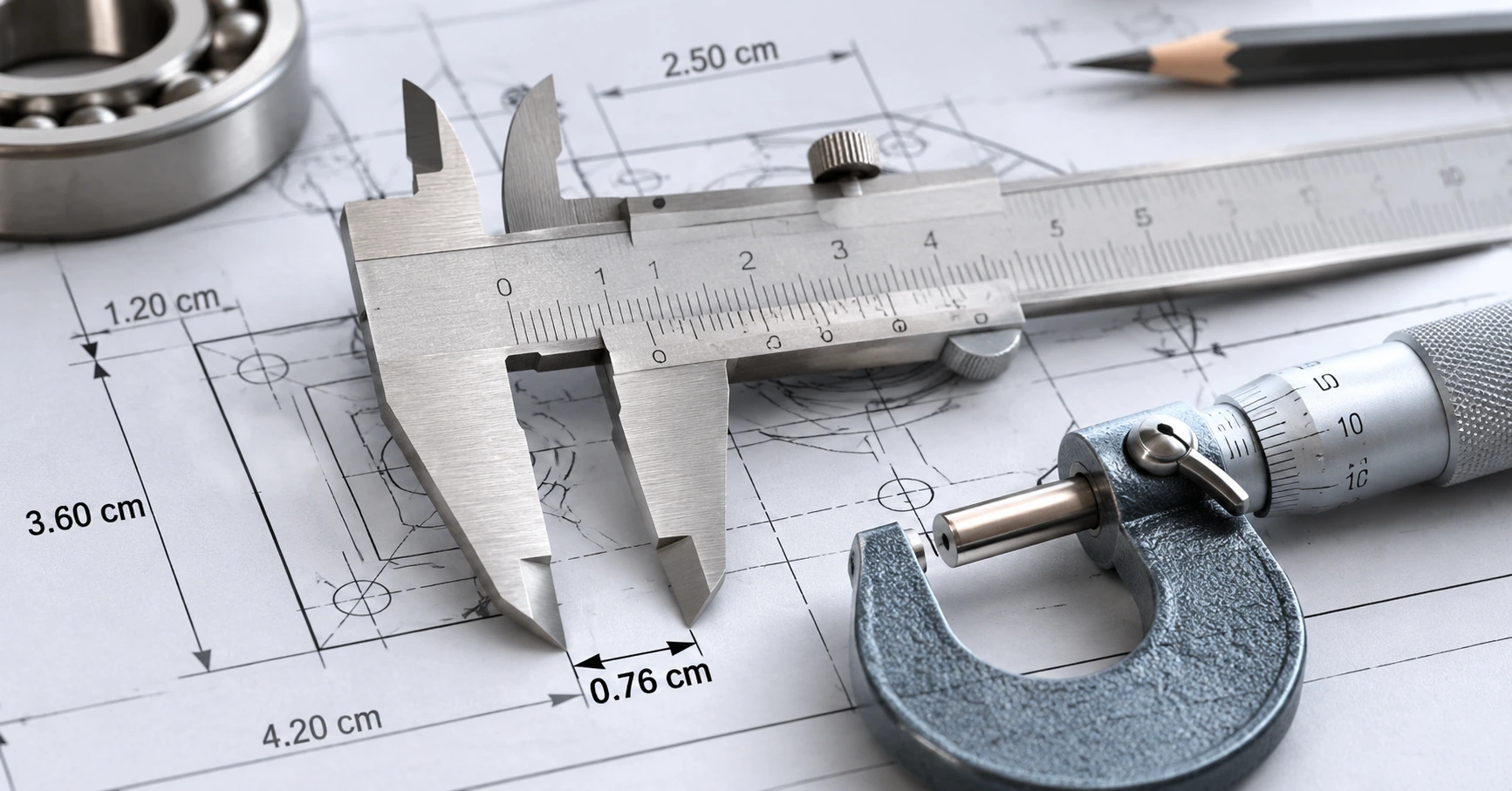
Technical Characteristics of 76 o,
Among the main characteristics of the 76 o,, its dimensional precision, mechanical resistance, and compatibility with Brazilian technical standards stand out. The parameter is 76 represents the quality of the material used, ensuring durability and efficiency in its use. This specification is essential to ensure that the final product meets technical and safety requirements.
In addition, the 76 o, has controlled tolerances that allow its perfect integration into systems that require high reliability. The resistance h 7k is an indication of the material's ability to withstand mechanical stress, making it ideal for severe industrial applications. The specification also includes surface finish and corrosion resistance parameters, which contribute to the longevity of the components.
Comparison between 76 o, and nk 7600
The nk 7600 is a close reference to the 76 o, however with differences that impact its application. While 76 o, focuses on measurements centered on 0 76 cm, nk 7600 presents variations in its dimensions and tolerances. Below, we present a comparison table that illustrates these main differences:
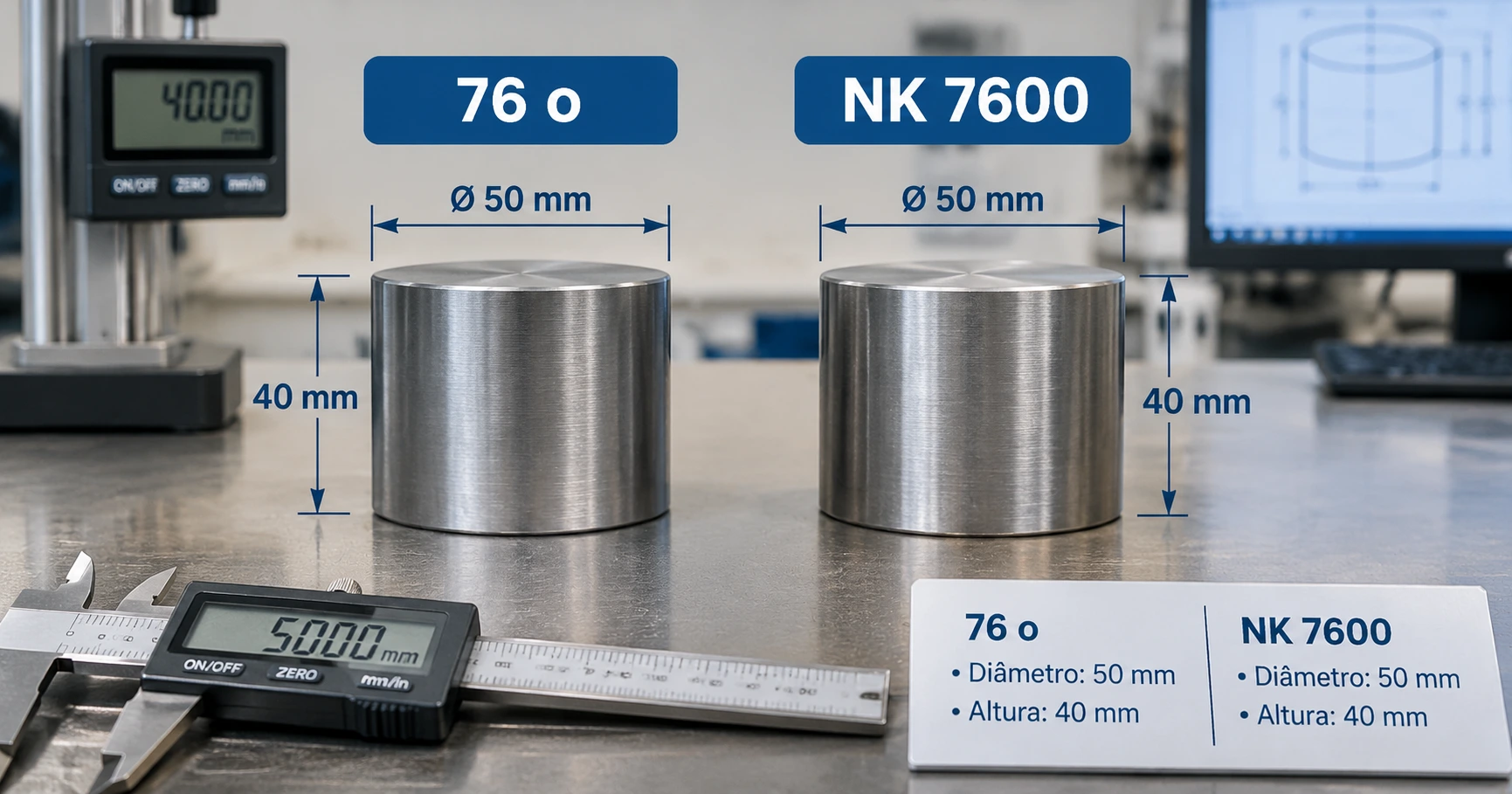
| Specification | 76 o, | nk 7600 |
|---|---|---|
| Central Dimension | 0 76 cm | 0 75 cm |
| Resistance (h 7k) | High | Medium |
| Material (é 76) | Superior quality | Standard quality |
| Application | Specialized industrial sectors | General use |
| Technical Standards | According to ABNT | According to international standards |
This comparison shows that, although the 76 o, and the nk 7600 are similar, the choice between them should consider the specific needs of precision, resistance, and industrial application. The 76 o, stands out in environments that require greater dimensional control and material quality, while the nk 7600 is more suitable for general uses where the tolerance can be a little more flexible.
Relevant Measurements and Dimensions
The 76 o, is often associated with specific measurements, such as the 0 76 cm, which represents the standard dimension in some manufacturing processes. The dimension h 7k indicates a scale of resistance or height, as applicable. These measurements are crucial to ensure compatibility in systems that require high precision, especially in equipment that operates under strict technical standards.
In addition, the precision of the measurement 0 76 cm is essential to ensure a perfect fit between components, avoiding mechanical failures and increasing operational efficiency. The height or resistance indicated by h 7k also directly influences the component's ability to withstand loads and stresses during use, making it an important differentiator for high-performance industrial applications.

Practical Uses of the 76 o,
In practice, the 76 o, is used in various industries, such as metallurgy, automotive, and heavy equipment. Its specification allows components manufactured under this standard to have greater durability and performance, especially in environments that require high mechanical resistance and dimensional precision.
Sectors that work with heavy machinery, metal structures, and highly complex parts often adopt the 76 o, to ensure that their products meet technical standards and function reliably over time. The application of the 76 o, contributes to reducing maintenance and parts replacement costs, due to its superior quality and proven resistance.
In addition, the versatility of the 76 o, allows it to be adapted to different types of materials and production processes, facilitating its integration into modern and automated production lines. This reinforces the importance of the 76 o, as a fundamental technical standard for Brazilian industry and its technological challenges.
Conclusion
The 76 o, is an essential technical specification for various industrial areas, standing out for its precision in measurements such as 0 76 cm, resistance indicated by h 7k and material quality represented by is 76. Its comparison with the nk 7600 highlights important differences that directly influence the choice of the most suitable standard for each application.
With its wide use in sectors that demand high performance and reliability, the 76 o, continues to be an important reference for engineers and technicians who seek to ensure the quality and efficiency of their projects. Understanding its characteristics and applications is essential to maximize results and meet market demands.